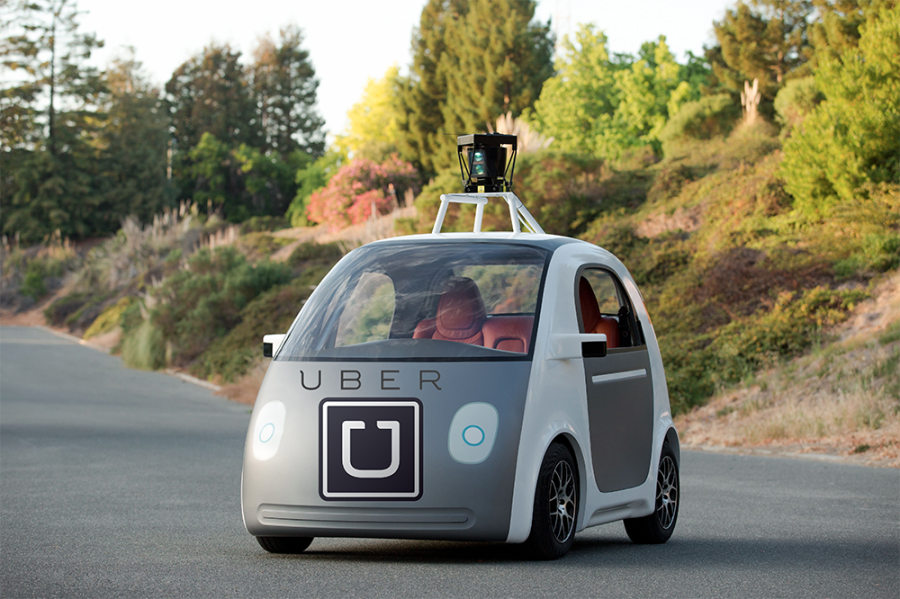
First of all, electric vehicles do not recharge as fast as filling up a gas tank. This I know first hand; I plan my day around my charging schedule if and when possible, or relent to the need to use gas for a portion of my daily
 requirements. My commute may be more than the average commute, but its not terribly unusual. I drive 25 miles uphill to work on a freeway, which means my Volt battery is close to depleted (between 2 - 7 miles left depending on driving aggression that day, and environment control). It takes about 7 - 8 hours to completely recharge my car, which is just a little bit less time than I spend at work most days, so my car is topped off when I am done. It is downhill home, so I end up with about 15 miles to run errands with, although I still try to take efficient routes so as not to exceed my battery's limits. I hate using gas. But once I'm home, I pretty much need to start charging right away, or within a few hours, to make sure my car is ready to go the next morning. So to say it could be better utilized is hard to swallow. Sure there would be some efficiencies gained with an autonomous vehicle: it will accelerate more slowly and brake less dramatically, it would take the most efficient or speediest route, as dictated I suppose, and with the addition of an AV lane, it could platoon behind other AVs to reduce wind resistance. But I don't foresee a gain of more than 4 - 8 miles each way, and that means a driverless car servicing my commute could maybe make one more short trip per day, but not much else.
  Maybe I'm an atypical case, and I would be the exception for whom car ownership makes sense, or I would be forced by reasonable economics simply to move closer to work. But I tend to disagree that I'm all that unusual. On the contrary, I think a lot of Americans, given AVs as a viable option for their rush hour commutes, will choose to live further from work, knowing they can be productive during their drive, and because they won't have to deal with the frustrations of insane traffic, because the car is dealing with it. When you aren't paying attention to your driving, a half hour or even an hour of downtime before and after work actually sounds pretty appealing.
Admittedly, Teslas and even Nissans have faster charging capabilities than my gas-enabled Volt, but my understanding is that this express charging is actually not very good for the battery. It may be okay for the occasional road trip for private owners, but building a business model around fast-charging autonomous EVs potentially several times a day to keep them whirring about city streets requires a lot more consideration for the battery life than accounted for in most of the poorly devised proposals I've seen. Along those lines, then, the prospect for this mobility versus car ownership model to deteriorate car sales seems to be overstated; the companies who own the electric AVs would need to replace them much more frequently, or at least replace the expensive batteries used in them.
Another point that I'd call into question is this idea that we could eliminate parking lots and turn them into green spaces. It sounds lovely, but if we eliminate parking lots, where exactly do you suppose those cars will be? Especially if private car ownership recedes to hobbyist levels, cars will no longer be parked in our homes' garages, so they need to be somewhere when not in use during low-demand hours like at 3 am on a Tuesday morning. We need a ton capacity of vehicles to get us around, unless we drastically change our lifestyles away from the need to drive tens or hundreds of miles a day altogether, and that is just a completely different rabbit hole. These autonomous cars utilized solely for mobility, if electric, will need to charge somewhere for extended periods of time. Thousands of them. And while we may be able to place such charging parking lots further away from central hubs (because humans no longer need to walk to and from such parking lots), the further out you put them, the more energy they will expend just getting
 to and from the parking lots. No, I don't think the vast majority of parking lots will disappear in the next 50 years, I think they will be transformed into lots with more services to maintain the vehicles while the humans are going about their workday.
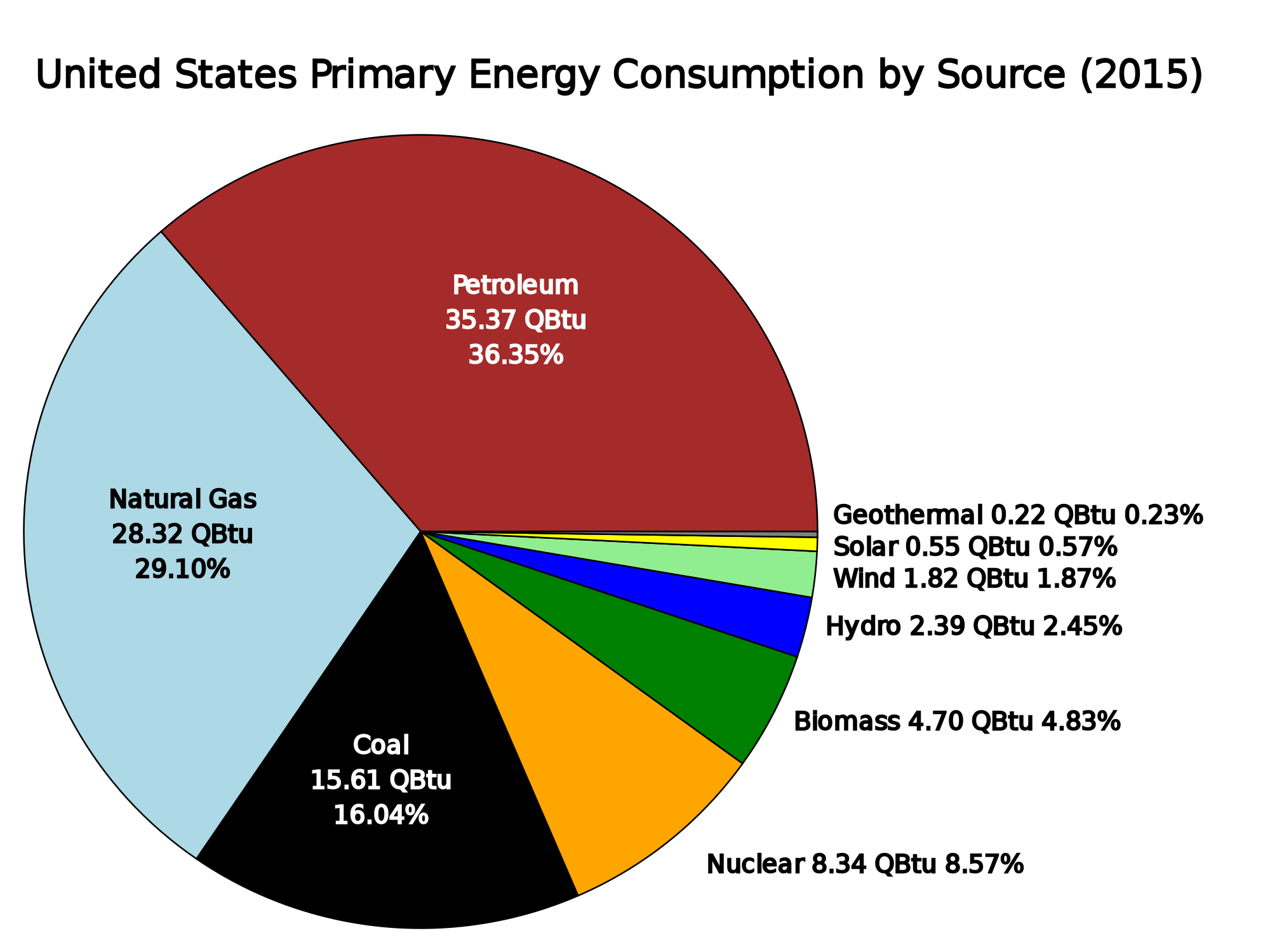
 And where will this energy come from for such large amounts of transportation? Electricity may seem like it appears out of nowhere because we can pull it out of our walls, but it has to be produced somewhere. Sure, we can string solar arrays along all the rooftops in the city, but to support the entire transportation network with all electric, we're going to need a hell of a lot more power per kilometer than a reasonable
 amount of solar panels in that same kilometer could support. As much as I love the idea of solar, the technology just isn't efficient enough yet, and wind is even less promising. No, I think a good amount of our transportation energy will still come, in one form or another, from some form of fuel, be it biodiesel, natural gas, or fossil fuel. It can be made cleaner, but it will certainly be prevalent for decades to come, era of autonomous vehicle or not.


 Will Rickard
 Ben Conrad
 Pravin
 Kofi C
 Zach Urbina
 Sachi Mohanty
 Brian Torpey
 paco nathan
 Mike Poullas
 Connor Schmidt
 Brittany Smith
 Jobin
Jobin
 Lalo Alcaraz
 AlexSteffen
 James Tierney
 Kyle L.
 fraudfeasor
 Laura Winger